
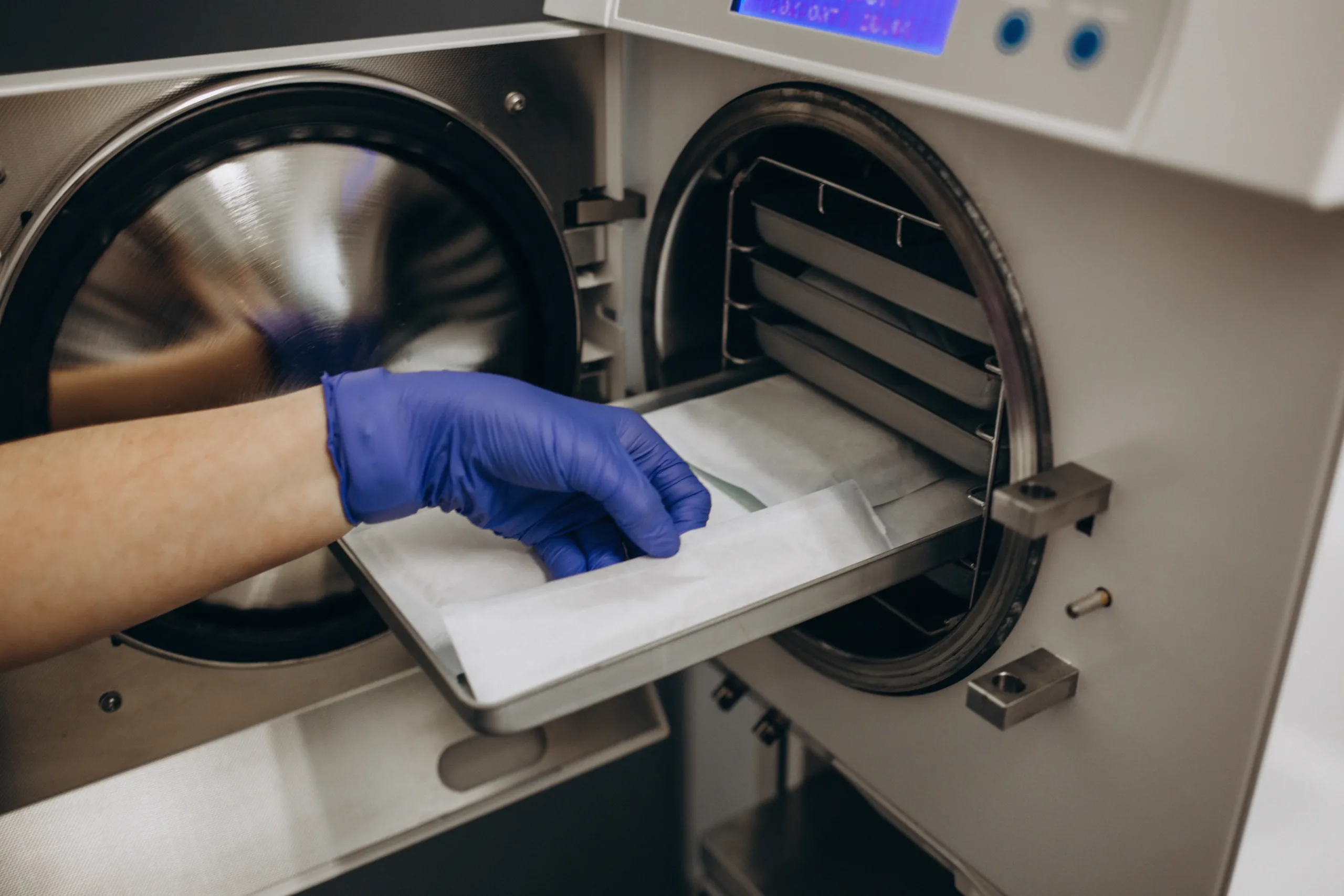
Why is Sterilization So Crucial?
-
Eliminates Infection Risks Microorganisms such as bacteria, viruses, and fungi can spread rapidly. Through sterilization, these organisms are completely destroyed, breaking the chain of infection.
-
Ensures Patient and User Safety Using non-sterile equipment, especially in medical operations, can lead to serious complications. Therefore, sterilization is an indispensable part of the healthcare sector.
-
Preserves Product Quality In the food, pharmaceutical, cosmetic, and laboratory sectors, it is impossible to guarantee product quality without sterile production.
-
Ensures Compliance with Legal Regulations Correct implementation of sterilization processes is mandatory for compliance with CE, ISO, and other international standards.
Hazırladığımız bu blog serisinin devamı niteliğindeki "Sterilizasyonun Kritik Olduğu Sektörler" bölümü için profesyonel ve kurumsal İngilizce çeviri aşağıdadır:
Sectors Where Sterilization is Critical
1. Healthcare Sector
-
Hospitals
-
Dental Clinics
-
Veterinary Clinics
-
Surgical Centers
-
Laboratories
-
Surgical instruments, single-use medical products, textiles, and packages must be sterile.
2. Food and Beverage Industry
-
Preventing contamination at every stage, from production lines to packaging areas, is of vital importance.
3. Pharmaceuticals and Biotechnology
-
Medicines produced in non-sterile environments lose their effectiveness and pose a danger.
4. Cosmetic Production
-
Creams, serums, and makeup products must be manufactured in sterile areas.
5. Medical Product Manufacturing
-
As 4A Medical, the sterilization pouches, reels, and control products we offer provide reliable sterile barrier solutions on production lines.
6. Research and Testing Laboratories
-
Cell culture, test analyses, and microbiological studies require a sterile environment.
Hazırladığımız bu blog serisinin "Sterilizasyon Sürecinde Dikkat Edilmesi Gereken Temel Noktalar" bölümü için profesyonel ve kurumsal İngilizce çeviri aşağıdadır:
Key Points to Consider in the Sterilization Process
1. Choosing the Correct Sterilization Method
-
Steam sterilization (autoclave)
-
Ethylene oxide
-
Plasma sterilization
-
Dry heat
-
Radiation method
-
The material of the product determines this choice.
2. Packaging Quality is Crucial
-
Sterilization pouches, reels, and Tyvek® products manufactured by 4A Medical provide a reliable barrier during the sterilization process.
-
Appropriate size should be selected.
-
The package should not be too tight or too loose.
-
The barrier structure must not be damaged.
3. Chemical and Biological Indicators Must Be Used
-
Indicator results are the scientific proof that the process has been successfully completed.
4. Device Maintenance Should Not Be Neglected
-
Regular calibration of sterilization devices is mandatory.
5. Storage of Sterile Products Must Be Under Control
-
Away from moisture
-
Dark (protected from light)
-
Dust-free areas
-
Moisture accumulation in sterile products causes the sterilization to become invalid.
6. Personnel Training is the Key to the Process
-
A significant portion of sterilization errors are user-related. Trained personnel = reliable sterilization.